
Art print of The Adoration of the Kings with the viceroy Pedro de Castro y Figueroa, Duke of Conquest - Nicolás Enríquez


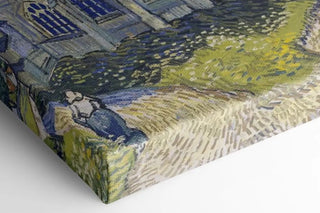
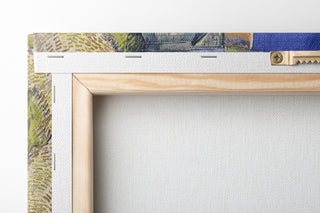
View from behind
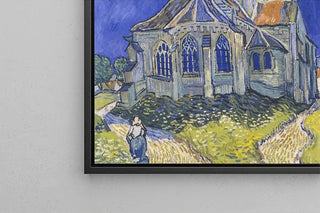
Frame (optional)
Reproduction of The Adoration of the Kings with Viceroy Pedro de Castro y Figueroa, Duke of Conquest - Nicolás Enríquez – Captivating Introduction
In the fascinating world of baroque art, Nicolás Enríquez's work stands out for its ability to blend spirituality and historical grandeur. "The Adoration of the Kings with Viceroy Pedro de Castro y Figueroa, Duke of Conquest" immerses us in the heart of an emblematic scene, where the sacred meets the profane. This representation, rich in symbolism, not only evokes the reverence of the Magi towards the Child Jesus but also reflects the authority and colonial power of the 17th century. Enhanced by a vibrant color palette and meticulous attention to detail, this piece invites the viewer on a journey through time and space, revealing the complexities of an era marked by political and religious upheavals.
Style and uniqueness of the work
Nicolás Enríquez's style reflects the baroque influences that permeate Latin America, blending European elements with local traditions. In this piece, the dynamic composition and flowing drapery of the figures demonstrate exceptional mastery of movement and light. The faces, imbued with poignant expressiveness, capture the emotion of the moment, making the devotion of the Magi palpable. The presence of the viceroy, a central and emblematic figure, adds a historical dimension to the scene, illustrating the role of the Church and the State in colonial society. The richness of details, from ornaments to costumes, also reveals a careful attention to the depiction of textures and materials, making this work a true celebration of craftsmanship and creativity.
The artist and his influence
Nicolás Enríquez, a Spanish-born painter, established himself in the artistic landscape of the New World through his talent and unique vision. Active mainly in Lima, he was influenced by the artistic currents of his time but also incorporated elements of Andean culture, creating a work deeply rooted in its context. Enríquez played a vital role in the evolution of colonial art, contributing to the development of an artistic identity.
Art print of The Adoration of the Kings with the viceroy Pedro de Castro y Figueroa, Duke of Conquest - Nicolás Enríquez

-10% FROM €95 IN PURCHASES
-15% FROM €195 IN PURCHASES
Regular price
- Unit price
- per
Tax included.
Free shipping
€4.90 / Free shipping on orders over €39
Satisfied or Money Back
Free returns within 30 days
10-year warranty
Our prints are guaranteed for 10 years
Any questions? We are here!
by email to contact@artemlegrand.com
THE STEPS OF YOUR ORDER

STEP 1 - ORDER PLACED
Your order has been confirmed and we are starting production
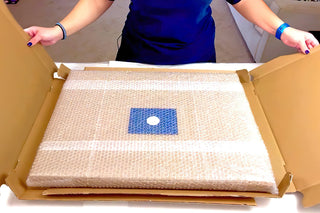
STEP 2 - SHIPPING
We ship your order. We send you an email to track the progress

STEP 3 - DELIVERY
You receive your order. You can also, according to your choice, be delivered to a relay point.
Matte finish
View from behind
Frame (optional)
Reproduction of The Adoration of the Kings with Viceroy Pedro de Castro y Figueroa, Duke of Conquest - Nicolás Enríquez – Captivating Introduction
In the fascinating world of baroque art, Nicolás Enríquez's work stands out for its ability to blend spirituality and historical grandeur. "The Adoration of the Kings with Viceroy Pedro de Castro y Figueroa, Duke of Conquest" immerses us in the heart of an emblematic scene, where the sacred meets the profane. This representation, rich in symbolism, not only evokes the reverence of the Magi towards the Child Jesus but also reflects the authority and colonial power of the 17th century. Enhanced by a vibrant color palette and meticulous attention to detail, this piece invites the viewer on a journey through time and space, revealing the complexities of an era marked by political and religious upheavals.
Style and uniqueness of the work
Nicolás Enríquez's style reflects the baroque influences that permeate Latin America, blending European elements with local traditions. In this piece, the dynamic composition and flowing drapery of the figures demonstrate exceptional mastery of movement and light. The faces, imbued with poignant expressiveness, capture the emotion of the moment, making the devotion of the Magi palpable. The presence of the viceroy, a central and emblematic figure, adds a historical dimension to the scene, illustrating the role of the Church and the State in colonial society. The richness of details, from ornaments to costumes, also reveals a careful attention to the depiction of textures and materials, making this work a true celebration of craftsmanship and creativity.
The artist and his influence
Nicolás Enríquez, a Spanish-born painter, established himself in the artistic landscape of the New World through his talent and unique vision. Active mainly in Lima, he was influenced by the artistic currents of his time but also incorporated elements of Andean culture, creating a work deeply rooted in its context. Enríquez played a vital role in the evolution of colonial art, contributing to the development of an artistic identity.
12,34 €