
Art print Une femme se lave les mains - Quirijn van Brekelenkam | Art print


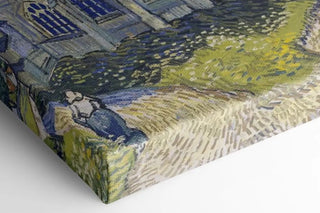
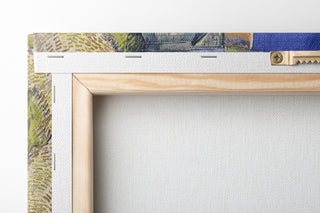
View from behind
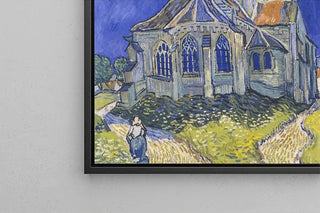
Frame (optional)
The artwork "A Woman Washing Her Hands" by Quirijn van Brekelenkam offers a truly intimate glimpse into Dutch domestic life of the 17th century. Captured with exceptional detail, this scene highlights everyday gestures, revealing the beauty of simplicity. Through this piece, the artist invites us to contemplate not only the act of washing hands but also the rituals and values of the society of that era. The soft colors and natural light flooding the scene evoke an atmosphere of serenity, while also suggesting a psychological depth in the central figure. This painting, both soothing and rich in meaning, transports us to a world where the ordinary becomes extraordinary.
Style and uniqueness of the work
Quirijn van Brekelenkam's style is distinguished by meticulous attention to detail and harmonious composition. In "A Woman Washing Her Hands," the artist skillfully plays with light and shadow, creating a contrast that highlights the textures of clothing and surrounding objects. The way he renders water reflections and the softness of the woman's hands demonstrates impressive technical mastery. Every element of the painting, from drapery to accessories, is carefully chosen to contribute to a visual narrative. Van Brekelenkam manages to capture a fleeting moment, transforming a daily act into a scene imbued with poetry and delicacy. This realistic approach, combined with a unique artistic sensitivity, makes this work an emblematic example of the genre of genre painting.
The artist and his influence
Quirijn van Brekelenkam, active in the Netherlands in the 17th century, is an artist whose work deserves rediscovery. Although less well-known than some of his contemporaries, his contribution to Dutch painting is significant. Influenced by masters such as Frans Hals and Rembrandt, Van Brekelenkam developed a distinctive style that combines realism and intimacy. His interest in scenes of everyday life reflects a broader artistic movement of his time, where artists sought to depict middle-class life with authenticity.
Art print Une femme se lave les mains - Quirijn van Brekelenkam | Art print

-10% FROM €95 IN PURCHASES
-15% FROM €195 IN PURCHASES
Regular price
- Unit price
- per
Tax included.
Free shipping
€4.90 / Free shipping on orders over €39
Satisfied or Money Back
Free returns within 30 days
10-year warranty
Our prints are guaranteed for 10 years
Any questions? We are here!
by email to contact@artemlegrand.com
THE STEPS OF YOUR ORDER

STEP 1 - ORDER PLACED
Your order has been confirmed and we are starting production
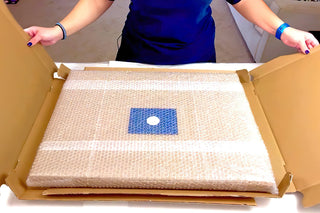
STEP 2 - SHIPPING
We ship your order. We send you an email to track the progress

STEP 3 - DELIVERY
You receive your order. You can also, according to your choice, be delivered to a relay point.
Matte finish
View from behind
Frame (optional)
The artwork "A Woman Washing Her Hands" by Quirijn van Brekelenkam offers a truly intimate glimpse into Dutch domestic life of the 17th century. Captured with exceptional detail, this scene highlights everyday gestures, revealing the beauty of simplicity. Through this piece, the artist invites us to contemplate not only the act of washing hands but also the rituals and values of the society of that era. The soft colors and natural light flooding the scene evoke an atmosphere of serenity, while also suggesting a psychological depth in the central figure. This painting, both soothing and rich in meaning, transports us to a world where the ordinary becomes extraordinary.
Style and uniqueness of the work
Quirijn van Brekelenkam's style is distinguished by meticulous attention to detail and harmonious composition. In "A Woman Washing Her Hands," the artist skillfully plays with light and shadow, creating a contrast that highlights the textures of clothing and surrounding objects. The way he renders water reflections and the softness of the woman's hands demonstrates impressive technical mastery. Every element of the painting, from drapery to accessories, is carefully chosen to contribute to a visual narrative. Van Brekelenkam manages to capture a fleeting moment, transforming a daily act into a scene imbued with poetry and delicacy. This realistic approach, combined with a unique artistic sensitivity, makes this work an emblematic example of the genre of genre painting.
The artist and his influence
Quirijn van Brekelenkam, active in the Netherlands in the 17th century, is an artist whose work deserves rediscovery. Although less well-known than some of his contemporaries, his contribution to Dutch painting is significant. Influenced by masters such as Frans Hals and Rembrandt, Van Brekelenkam developed a distinctive style that combines realism and intimacy. His interest in scenes of everyday life reflects a broader artistic movement of his time, where artists sought to depict middle-class life with authenticity.
12,34 €