
Painting A Tanka boatwoman in Macau - George Chinnery | Art print


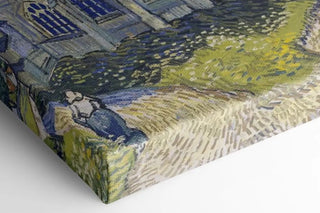
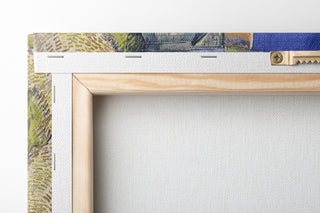
View from behind
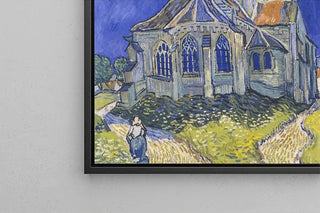
Frame (optional)
In the fascinating world of art, certain works stand out for their ability to capture a specific moment in history while evoking deep emotions. "A Tanka boatwoman in Macao" by George Chinnery is one of these works. Painted in the early 19th century, this canvas transports us to a world where the beauty of marine landscapes blends with the daily life of Macao's inhabitants. The painting, both delicate and vibrant, offers an introspective look into local culture, while revealing the artist's technical mastery. Through this art print, viewers are invited to contemplate the simplicity and elegance of a scene that, although frozen in time, continues to resonate with modernity.
Style and uniqueness of the work
Chinnery's work is characterized by a style that combines realism and romanticism. In "A Tanka boatwoman in Macao," the shimmering colors and meticulous details create an atmosphere that is both serene and lively. The composition highlights the figure of the boatwoman, whose calm expression contrasts with the lively background of the bay. The choice of hues, ranging from deep blues to warm ochres, evokes the unique light of Macao, while emphasizing the region's cultural richness. Chinnery succeeds in capturing not only the physical appearance of his subject but also the soul of a people whose way of life is intimately connected to water. This art print stands out for its ability to tell a story—of a community, a time, and a place—while revealing the artist's sensitivity.
The artist and his influence
George Chinnery, a 19th-century British painter, played a crucial role in the development of art in Asia, notably through his extended stay in Macao and Hong Kong. His innovative approach, blending Western influences with Eastern traditions, created a unique artistic dialogue. Chinnery was able to capture the essence of local life while incorporating elements of his own culture, enriching his work with an intercultural dimension. His ability to observe and represent
Painting A Tanka boatwoman in Macau - George Chinnery | Art print

-10% FROM €95 IN PURCHASES
-15% FROM €195 IN PURCHASES
Regular price
- Unit price
- per
Tax included.
Free shipping
€4.90 / Free shipping on orders over €39
Satisfied or Money Back
Free returns within 30 days
10-year warranty
Our prints are guaranteed for 10 years
Any questions? We are here!
by email to contact@artemlegrand.com
THE STEPS OF YOUR ORDER

STEP 1 - ORDER PLACED
Your order has been confirmed and we are starting production
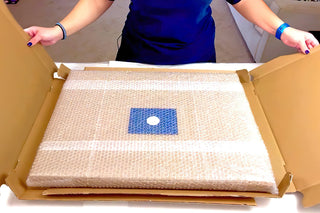
STEP 2 - SHIPPING
We ship your order. We send you an email to track the progress

STEP 3 - DELIVERY
You receive your order. You can also, according to your choice, be delivered to a relay point.
Matte finish
View from behind
Frame (optional)
In the fascinating world of art, certain works stand out for their ability to capture a specific moment in history while evoking deep emotions. "A Tanka boatwoman in Macao" by George Chinnery is one of these works. Painted in the early 19th century, this canvas transports us to a world where the beauty of marine landscapes blends with the daily life of Macao's inhabitants. The painting, both delicate and vibrant, offers an introspective look into local culture, while revealing the artist's technical mastery. Through this art print, viewers are invited to contemplate the simplicity and elegance of a scene that, although frozen in time, continues to resonate with modernity.
Style and uniqueness of the work
Chinnery's work is characterized by a style that combines realism and romanticism. In "A Tanka boatwoman in Macao," the shimmering colors and meticulous details create an atmosphere that is both serene and lively. The composition highlights the figure of the boatwoman, whose calm expression contrasts with the lively background of the bay. The choice of hues, ranging from deep blues to warm ochres, evokes the unique light of Macao, while emphasizing the region's cultural richness. Chinnery succeeds in capturing not only the physical appearance of his subject but also the soul of a people whose way of life is intimately connected to water. This art print stands out for its ability to tell a story—of a community, a time, and a place—while revealing the artist's sensitivity.
The artist and his influence
George Chinnery, a 19th-century British painter, played a crucial role in the development of art in Asia, notably through his extended stay in Macao and Hong Kong. His innovative approach, blending Western influences with Eastern traditions, created a unique artistic dialogue. Chinnery was able to capture the essence of local life while incorporating elements of his own culture, enriching his work with an intercultural dimension. His ability to observe and represent
12,34 €