
Art print of a scene in the Salzkammergut - Johann Joseph Jansen


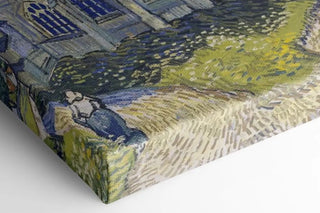
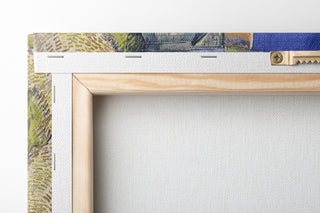
View from behind
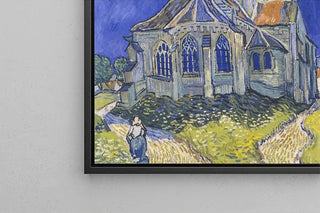
Frame (optional)
In the 19th-century artistic landscape, the art print "A Scene in Salzkammergut" by Johann Joseph Jansen stands out for its poetic evocation of Austrian landscapes. This painting, a true hymn to nature, transports the viewer to a region where majestic mountains meet shimmering lakes. The artist masterfully captures the very essence of this enchanting place, inviting the gaze to lose itself in the wild and serene beauty of Salzkammergut. Every brushstroke seems to tell a story, an invitation to explore the secret corners of this preserved nature, while evoking a sense of nostalgia and contemplation.
Style and uniqueness of the work
Jansen's style, both realistic and romantic, is expressed through a delicate color palette that evokes natural light. Shades of green, blue, and brown blend harmoniously, creating a soothing and captivating atmosphere. The composition is carefully orchestrated, with elements of nature arranged to guide the viewer's eye across the painting. The meticulous details of the trees, rocks, and reflections in the water demonstrate attentive observation and a deep respect for the landscape. This art print is not merely a depiction of a place but a sensory experience that invites the viewer to feel the freshness of the air, the whisper of the water, and the song of the birds. The way Jansen plays with light, highlighting shadows and glints, gives an almost living dimension to the work, making each viewing a rediscovery.
The artist and his influence
Johann Joseph Jansen, though less well-known than some of his contemporaries, left his mark on his era through a unique approach to landscape painting. Originating from Austria, he was influenced by the artistic currents of his time, notably Romanticism, which advocated a return to nature and a celebration of human emotions. Jansen managed to incorporate these elements while developing a personal style that is uniquely his own, distinguished by his ability to capture the soul of the places he painted. His works, often imbued with a sense of melancholy
Art print of a scene in the Salzkammergut - Johann Joseph Jansen

-10% FROM €95 IN PURCHASES
-15% FROM €195 IN PURCHASES
Regular price
- Unit price
- per
Tax included.
Free shipping
€4.90 / Free shipping on orders over €39
Satisfied or Money Back
Free returns within 30 days
10-year warranty
Our prints are guaranteed for 10 years
Any questions? We are here!
by email to contact@artemlegrand.com
THE STEPS OF YOUR ORDER

STEP 1 - ORDER PLACED
Your order has been confirmed and we are starting production
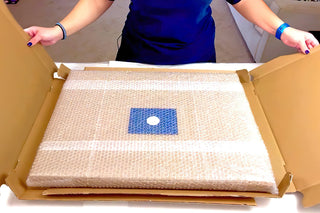
STEP 2 - SHIPPING
We ship your order. We send you an email to track the progress

STEP 3 - DELIVERY
You receive your order. You can also, according to your choice, be delivered to a relay point.
Matte finish
View from behind
Frame (optional)
In the 19th-century artistic landscape, the art print "A Scene in Salzkammergut" by Johann Joseph Jansen stands out for its poetic evocation of Austrian landscapes. This painting, a true hymn to nature, transports the viewer to a region where majestic mountains meet shimmering lakes. The artist masterfully captures the very essence of this enchanting place, inviting the gaze to lose itself in the wild and serene beauty of Salzkammergut. Every brushstroke seems to tell a story, an invitation to explore the secret corners of this preserved nature, while evoking a sense of nostalgia and contemplation.
Style and uniqueness of the work
Jansen's style, both realistic and romantic, is expressed through a delicate color palette that evokes natural light. Shades of green, blue, and brown blend harmoniously, creating a soothing and captivating atmosphere. The composition is carefully orchestrated, with elements of nature arranged to guide the viewer's eye across the painting. The meticulous details of the trees, rocks, and reflections in the water demonstrate attentive observation and a deep respect for the landscape. This art print is not merely a depiction of a place but a sensory experience that invites the viewer to feel the freshness of the air, the whisper of the water, and the song of the birds. The way Jansen plays with light, highlighting shadows and glints, gives an almost living dimension to the work, making each viewing a rediscovery.
The artist and his influence
Johann Joseph Jansen, though less well-known than some of his contemporaries, left his mark on his era through a unique approach to landscape painting. Originating from Austria, he was influenced by the artistic currents of his time, notably Romanticism, which advocated a return to nature and a celebration of human emotions. Jansen managed to incorporate these elements while developing a personal style that is uniquely his own, distinguished by his ability to capture the soul of the places he painted. His works, often imbued with a sense of melancholy
12,34 €