
Art print of a man writing at his desk - Jan Ekels the Younger


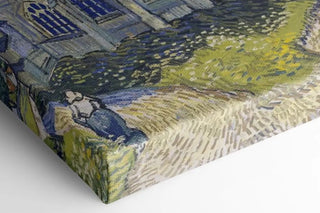
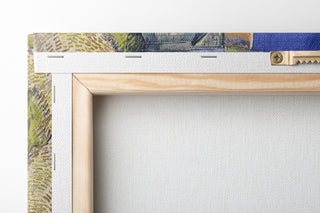
View from behind
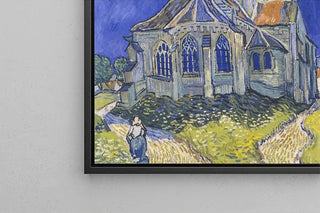
Frame (optional)
In the vibrant world of 17th-century Dutch art, the artwork "Un homme écrivant à son bureau" by Jan Ekels le Jeune stands out for its narrative depth and intimate atmosphere. This art print, capturing a moment of reflection and concentration, invites the viewer to delve into the artist's and his character's private world. The scene depicts a man absorbed in writing, an act that becomes almost sacred within the context of artistic creation. The soft light bathing the room, along with the meticulous details of the furniture, immerses the viewer in an era where writing was not only a means of communication but also a reflection of thought and culture. This art print of the work allows for a rediscovery of the very essence of Jan Ekels le Jeune's art, while offering a window into a bygone world.
Style and uniqueness of the work
Jan Ekels le Jeune's style is characterized by meticulous attention to detail and mastery of light that brings his compositions to life. In "Un homme écrivant à son bureau," each element, from furniture to accessories, is carefully rendered, creating an atmosphere of authenticity and intimacy. The colors, subtly chosen, evoke a warm palette that enhances the scene's closeness. The artist manages to capture not only the physical appearance of his subject but also his state of mind. The man, immersed in his thoughts, seems almost tangible, as if he could step out of the painting at any moment. This ability to forge an emotional connection with the viewer is one of Ekels's trademarks, making his work a true invitation to contemplation.
The artist and his influence
Jan Ekels le Jeune, a Dutch painter active in the 17th century, established himself in the artistic landscape of his time thanks to his unique style and vision. Raised within a rich artistic tradition, he was influenced by the masters of Flemish and Dutch painting but developed a personal approach that is entirely his own. His works, often centered on themes of everyday life, reveal a particular sensitivity to human emotions and the
Art print of a man writing at his desk - Jan Ekels the Younger

-10% FROM €95 IN PURCHASES
-15% FROM €195 IN PURCHASES
Regular price
- Unit price
- per
Tax included.
Free shipping
€4.90 / Free shipping on orders over €39
Satisfied or Money Back
Free returns within 30 days
10-year warranty
Our prints are guaranteed for 10 years
Any questions? We are here!
by email to contact@artemlegrand.com
THE STEPS OF YOUR ORDER
STEP 1 - ORDER PLACED
Your order has been confirmed and we are starting production
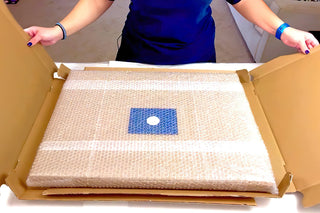
STEP 2 - SHIPPING
We ship your order. We send you an email to track the progress

STEP 3 - DELIVERY
You receive your order. You can also, according to your choice, be delivered to a relay point.
Matte finish
View from behind
Frame (optional)
In the vibrant world of 17th-century Dutch art, the artwork "Un homme écrivant à son bureau" by Jan Ekels le Jeune stands out for its narrative depth and intimate atmosphere. This art print, capturing a moment of reflection and concentration, invites the viewer to delve into the artist's and his character's private world. The scene depicts a man absorbed in writing, an act that becomes almost sacred within the context of artistic creation. The soft light bathing the room, along with the meticulous details of the furniture, immerses the viewer in an era where writing was not only a means of communication but also a reflection of thought and culture. This art print of the work allows for a rediscovery of the very essence of Jan Ekels le Jeune's art, while offering a window into a bygone world.
Style and uniqueness of the work
Jan Ekels le Jeune's style is characterized by meticulous attention to detail and mastery of light that brings his compositions to life. In "Un homme écrivant à son bureau," each element, from furniture to accessories, is carefully rendered, creating an atmosphere of authenticity and intimacy. The colors, subtly chosen, evoke a warm palette that enhances the scene's closeness. The artist manages to capture not only the physical appearance of his subject but also his state of mind. The man, immersed in his thoughts, seems almost tangible, as if he could step out of the painting at any moment. This ability to forge an emotional connection with the viewer is one of Ekels's trademarks, making his work a true invitation to contemplation.
The artist and his influence
Jan Ekels le Jeune, a Dutch painter active in the 17th century, established himself in the artistic landscape of his time thanks to his unique style and vision. Raised within a rich artistic tradition, he was influenced by the masters of Flemish and Dutch painting but developed a personal approach that is entirely his own. His works, often centered on themes of everyday life, reveal a particular sensitivity to human emotions and the
12,34 €