
Art print of a player of the cithara - Friedrich Preller | Art print


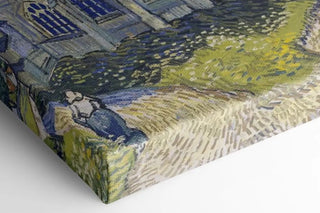
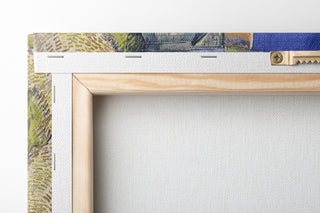
View from behind
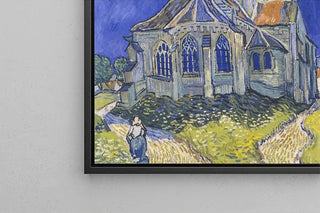
Frame (optional)
In the vast panorama of art history, certain works stand out for their ability to capture the essence of an era while resonating deeply with the contemporary viewer. "Un joueur de cithare" by Friedrich Preller falls into this category, inviting contemplation that transcends mere observation. This piece, imbued with delicacy and poetry, evokes a world where music and nature intertwine, offering a moment of serenity and escape. The scene, beautifully orchestrated, highlights the timeless beauty of art and its power to move.
Style and uniqueness of the work
Friedrich Preller's style is characterized by finesse in execution and a particular attention to detail that makes "Un joueur de cithare" truly unique. The composition, rich in colors and textures, reveals a keen sense of visual harmony. The player, immersed in his melody, almost seems to merge with his instrument, while the background, delicately crafted, suggests a bucolic atmosphere conducive to artistic creation. Every brushstroke demonstrates technical mastery, as well as sensitivity to human emotions. This painting does not merely depict a frozen moment; it invites the viewer to feel the melody emanating from the cithare, to absorb the tranquility radiating from the scene.
The artist and his influence
Friedrich Preller, an emblematic figure of the 19th century, is often recognized for his ability to combine realism and idealism. His work reflects a time of great change, where art freed itself from academic constraints to explore new horizons. Influenced by the great masters of Romantic painting, Preller managed to infuse a poetic dimension into his creations. His approach to nature and humanity, always seeking harmony, left a mark on his contemporaries and continues to inspire artists today. "Un joueur de cithare" perfectly illustrates this quest, where music becomes a universal means of expression, transcending language and cultural barriers.
An exceptional wall decoration signed by Artem Legrand
In the field of
Art print of a player of the cithara - Friedrich Preller | Art print

-10% FROM €95 IN PURCHASES
-15% FROM €195 IN PURCHASES
Regular price
- Unit price
- by
Free shipping
€4.90 / Free shipping on orders over €39
Satisfied or Money Back
Free returns within 30 days
10-year warranty
Our prints are guaranteed for 10 years
Any questions? We are here!
by email to contact@artemlegrand.com
THE STEPS OF YOUR ORDER
STEP 1 - ORDER PLACED
Your order has been confirmed and we are starting production
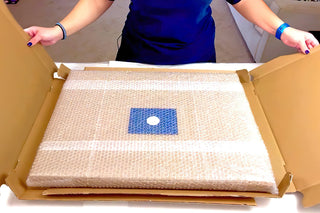
STEP 2 - SHIPPING
We ship your order. We send you an email to track the progress

STEP 3 - DELIVERY
You receive your order. You can also, according to your choice, be delivered to a relay point.
Matte finish
View from behind
Frame (optional)
In the vast panorama of art history, certain works stand out for their ability to capture the essence of an era while resonating deeply with the contemporary viewer. "Un joueur de cithare" by Friedrich Preller falls into this category, inviting contemplation that transcends mere observation. This piece, imbued with delicacy and poetry, evokes a world where music and nature intertwine, offering a moment of serenity and escape. The scene, beautifully orchestrated, highlights the timeless beauty of art and its power to move.
Style and uniqueness of the work
Friedrich Preller's style is characterized by finesse in execution and a particular attention to detail that makes "Un joueur de cithare" truly unique. The composition, rich in colors and textures, reveals a keen sense of visual harmony. The player, immersed in his melody, almost seems to merge with his instrument, while the background, delicately crafted, suggests a bucolic atmosphere conducive to artistic creation. Every brushstroke demonstrates technical mastery, as well as sensitivity to human emotions. This painting does not merely depict a frozen moment; it invites the viewer to feel the melody emanating from the cithare, to absorb the tranquility radiating from the scene.
The artist and his influence
Friedrich Preller, an emblematic figure of the 19th century, is often recognized for his ability to combine realism and idealism. His work reflects a time of great change, where art freed itself from academic constraints to explore new horizons. Influenced by the great masters of Romantic painting, Preller managed to infuse a poetic dimension into his creations. His approach to nature and humanity, always seeking harmony, left a mark on his contemporaries and continues to inspire artists today. "Un joueur de cithare" perfectly illustrates this quest, where music becomes a universal means of expression, transcending language and cultural barriers.
An exceptional wall decoration signed by Artem Legrand
In the field of