
Painting A Gypsy - Hugo Birger | Art print


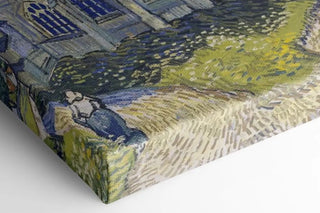
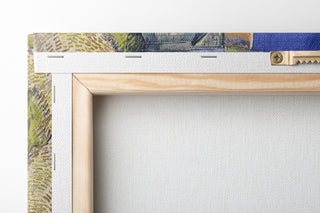
View from behind
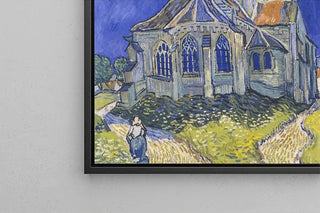
Frame (optional)
In the world of art, some works manage to capture the essence of a culture, a period, or a sentiment with such intensity that they transcend mere visual representation. "Une gitane - Hugo Birger" is undoubtedly one of these iconic pieces. This painting, which evokes the vibrant and free-spirited life of the gypsies, invites us on a journey through colors and emotions, while revealing the depth of the human soul. The figure of the gypsy, with her gaze both mysterious and captivating, becomes a symbol of a quest for identity and freedom, offering a reflection on the human condition.
Style and uniqueness of the artwork
Hugo Birger's work stands out for its bold use of colors and mastery of pictorial techniques. In "Une gitane," warm and rich hues, ranging from deep red to golden yellow, envelop the viewer in an almost tangible atmosphere. Every brushstroke seems charged with life, and the texture of the canvas adds an extra dimension to this depiction. Birger manages to capture not only the appearance of his subject but also the spirit and energy that surround her. The posture of the gypsy, both proud and vulnerable, speaks to a duality at the heart of the human experience. This piece is distinguished by its realistic approach, blended with impressionist sensitivity, creating a dialogue between tradition and modernity.
The artist and his influence
Hugo Birger, a painter of Russian origin, established himself in the European artistic landscape of the 19th century. His journey, marked by various influences, allowed him to develop a unique style that combines technical rigor and emotion. Birger was fascinated by nomadic cultures, and his interest in the life of gypsies is reflected in this work. He drew inspiration from folk traditions while reinterpreting them through the lens of his era. His work, although often rooted in realism, paves the way for a deeper exploration of human feelings and stories. By focusing on subjects often overlooked by his contemporaries, Birger contributed to enriching the visual language
Painting A Gypsy - Hugo Birger | Art print

-10% FROM €95 IN PURCHASES
-15% FROM €195 IN PURCHASES
Regular price
- Unit price
- per
Tax included.
Free shipping
€4.90 / Free shipping on orders over €39
Satisfied or Money Back
Free returns within 30 days
10-year warranty
Our prints are guaranteed for 10 years
Any questions? We are here!
by email to contact@artemlegrand.com
THE STEPS OF YOUR ORDER

STEP 1 - ORDER PLACED
Your order has been confirmed and we are starting production
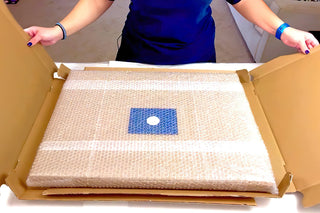
STEP 2 - SHIPPING
We ship your order. We send you an email to track the progress

STEP 3 - DELIVERY
You receive your order. You can also, according to your choice, be delivered to a relay point.
Matte finish
View from behind
Frame (optional)
In the world of art, some works manage to capture the essence of a culture, a period, or a sentiment with such intensity that they transcend mere visual representation. "Une gitane - Hugo Birger" is undoubtedly one of these iconic pieces. This painting, which evokes the vibrant and free-spirited life of the gypsies, invites us on a journey through colors and emotions, while revealing the depth of the human soul. The figure of the gypsy, with her gaze both mysterious and captivating, becomes a symbol of a quest for identity and freedom, offering a reflection on the human condition.
Style and uniqueness of the artwork
Hugo Birger's work stands out for its bold use of colors and mastery of pictorial techniques. In "Une gitane," warm and rich hues, ranging from deep red to golden yellow, envelop the viewer in an almost tangible atmosphere. Every brushstroke seems charged with life, and the texture of the canvas adds an extra dimension to this depiction. Birger manages to capture not only the appearance of his subject but also the spirit and energy that surround her. The posture of the gypsy, both proud and vulnerable, speaks to a duality at the heart of the human experience. This piece is distinguished by its realistic approach, blended with impressionist sensitivity, creating a dialogue between tradition and modernity.
The artist and his influence
Hugo Birger, a painter of Russian origin, established himself in the European artistic landscape of the 19th century. His journey, marked by various influences, allowed him to develop a unique style that combines technical rigor and emotion. Birger was fascinated by nomadic cultures, and his interest in the life of gypsies is reflected in this work. He drew inspiration from folk traditions while reinterpreting them through the lens of his era. His work, although often rooted in realism, paves the way for a deeper exploration of human feelings and stories. By focusing on subjects often overlooked by his contemporaries, Birger contributed to enriching the visual language
12,34 €