
Painting A group of carnations - Robert John Thornton | Art print


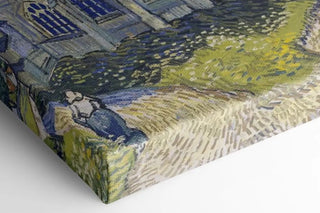
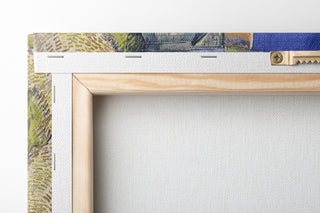
View from behind
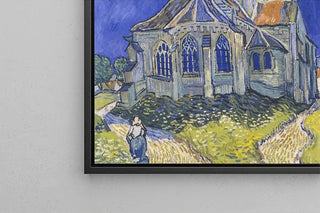
Frame (optional)
In the vast world of floral art, "A Group of Carnations" by Robert John Thornton stands out as an iconic piece that transcends mere botanical illustration. This work, both delicate and lively, invites viewers to immerse themselves in a universe where natural beauty is celebrated with remarkable precision. The carnations, symbols of passion and love, come to life under Thornton's brush, evoking a sense of freshness and vitality that still resonates today. This art print allows appreciation of the finesse of details and the richness of colors that characterize this piece, offering an immersive experience at the heart of nature.
Style and uniqueness of the work
Thornton's work is distinguished by its meticulous and scientific approach to floral representation. Every petal, every leaf is rendered with a precision that demonstrates a deep respect for nature. The vibrant colors of the carnations, ranging from deep reds to bright whites, are harmoniously arranged, creating a lively tableau that captures light and attention. Thornton's style combines realism and romanticism, where each flower seems to bloom under the admiring gaze of the viewer. This blend of detailed intricacy and balanced composition gives the work an almost tactile dimension, inviting visual and emotional exploration. The artist's ability to transform a simple floral depiction into a true celebration of life is what makes "A Group of Carnations" so unique.
The artist and his influence
Robert John Thornton, botanist and artist, managed to marry his two passions to create works that are both scientific studies and artistic creations. His innovative approach influenced not only the art world but also the field of botany, demonstrating that beauty can reside in scientific precision. Thornton was a pioneer in botanical illustration, and his work has inspired many artists and scientists who followed in his footsteps. By incorporating elements of nature into his compositions, he captured the very essence of plant life, thus offering a new perspective on the role of art in interpreting the natural world. His
Painting A group of carnations - Robert John Thornton | Art print

-10% FROM €95 IN PURCHASES
-15% FROM €195 IN PURCHASES
Regular price
- Unit price
- per
Tax included.
Free shipping
€4.90 / Free shipping on orders over €39
Satisfied or Money Back
Free returns within 30 days
10-year warranty
Our prints are guaranteed for 10 years
Any questions? We are here!
by email to contact@artemlegrand.com
THE STEPS OF YOUR ORDER

STEP 1 - ORDER PLACED
Your order has been confirmed and we are starting production
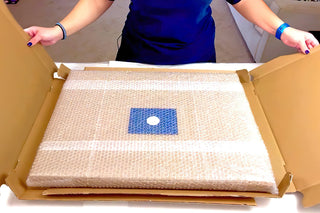
STEP 2 - SHIPPING
We ship your order. We send you an email to track the progress

STEP 3 - DELIVERY
You receive your order. You can also, according to your choice, be delivered to a relay point.
Matte finish
View from behind
Frame (optional)
In the vast world of floral art, "A Group of Carnations" by Robert John Thornton stands out as an iconic piece that transcends mere botanical illustration. This work, both delicate and lively, invites viewers to immerse themselves in a universe where natural beauty is celebrated with remarkable precision. The carnations, symbols of passion and love, come to life under Thornton's brush, evoking a sense of freshness and vitality that still resonates today. This art print allows appreciation of the finesse of details and the richness of colors that characterize this piece, offering an immersive experience at the heart of nature.
Style and uniqueness of the work
Thornton's work is distinguished by its meticulous and scientific approach to floral representation. Every petal, every leaf is rendered with a precision that demonstrates a deep respect for nature. The vibrant colors of the carnations, ranging from deep reds to bright whites, are harmoniously arranged, creating a lively tableau that captures light and attention. Thornton's style combines realism and romanticism, where each flower seems to bloom under the admiring gaze of the viewer. This blend of detailed intricacy and balanced composition gives the work an almost tactile dimension, inviting visual and emotional exploration. The artist's ability to transform a simple floral depiction into a true celebration of life is what makes "A Group of Carnations" so unique.
The artist and his influence
Robert John Thornton, botanist and artist, managed to marry his two passions to create works that are both scientific studies and artistic creations. His innovative approach influenced not only the art world but also the field of botany, demonstrating that beauty can reside in scientific precision. Thornton was a pioneer in botanical illustration, and his work has inspired many artists and scientists who followed in his footsteps. By incorporating elements of nature into his compositions, he captured the very essence of plant life, thus offering a new perspective on the role of art in interpreting the natural world. His
12,34 €