
Art print of a gardener in an late summer garden - Jenő Kemenyffy


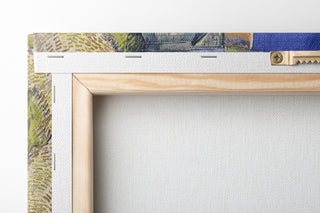
View from behind
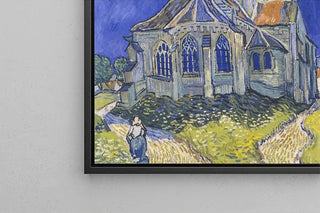
Frame (optional)
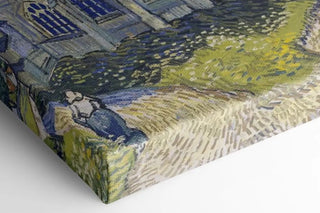
The artwork "Un jardinier dans un jardin de fin d'été" by Jenő Kemenyffy stands as an ode to nature, capturing the ephemeral beauty of a declining garden. This painting, imbued with serenity, invites us to immerse ourselves in a world where time seems suspended, where every detail is carefully orchestrated to reveal the magic of a moment. In this piece, Kemenyffy manages to transcend the simple depiction of a gardener at work, turning it into a metaphor for the relationship between man and nature, evoking a delicate harmony between human activity and the natural cycle of the seasons.
Style and uniqueness of the work
Kemenyffy's style is distinguished by its ability to combine realism and impressionism, creating atmospheres filled with light and color. In "Un jardinier dans un jardin de fin d'été," warm autumn hues blend with touches of green, offering a rich palette that evokes the softness of the days growing shorter. The composition is carefully balanced, with the gardener occupying a central position, surrounded by the lushness of the garden. The meticulous details of leaves, flowers, and gardening tools demonstrate attentive observation and a deep respect for nature. Every element of the scene contributes to the overall harmony, making this work a true celebration of life and the beauty of simple things.
The artist and his influence
Jenő Kemenyffy, an emblematic figure of the early 20th century, left his mark on his era through an innovative approach to painting. Influenced by the artistic currents of his time, he integrated elements of post-impressionism while developing a personal style unique to himself. His fascination with nature and everyday life is reflected in his works, where he manages to capture moments of life with rare sensitivity. Kemenyffy was also a key player in the development of Hungarian art, contributing to its recognition on the international stage. His work continues to inspire many contemporary artists, who see in him a pioneer of artistic expression related to nature.
Art print of a gardener in an late summer garden - Jenő Kemenyffy

-10% FROM €95 IN PURCHASES
-15% FROM €195 IN PURCHASES
Regular price
- Unit price
- per
Tax included.
Free shipping
€4.90 / Free shipping on orders over €39
Satisfied or Money Back
Free returns within 30 days
10-year warranty
Our prints are guaranteed for 10 years
Any questions? We are here!
by email to contact@artemlegrand.com
THE STEPS OF YOUR ORDER

STEP 1 - ORDER PLACED
Your order has been confirmed and we are starting production
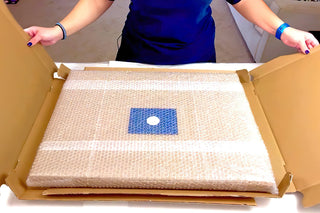
STEP 2 - SHIPPING
We ship your order. We send you an email to track the progress

STEP 3 - DELIVERY
You receive your order. You can also, according to your choice, be delivered to a relay point.
Matte finish
View from behind
Frame (optional)
The artwork "Un jardinier dans un jardin de fin d'été" by Jenő Kemenyffy stands as an ode to nature, capturing the ephemeral beauty of a declining garden. This painting, imbued with serenity, invites us to immerse ourselves in a world where time seems suspended, where every detail is carefully orchestrated to reveal the magic of a moment. In this piece, Kemenyffy manages to transcend the simple depiction of a gardener at work, turning it into a metaphor for the relationship between man and nature, evoking a delicate harmony between human activity and the natural cycle of the seasons.
Style and uniqueness of the work
Kemenyffy's style is distinguished by its ability to combine realism and impressionism, creating atmospheres filled with light and color. In "Un jardinier dans un jardin de fin d'été," warm autumn hues blend with touches of green, offering a rich palette that evokes the softness of the days growing shorter. The composition is carefully balanced, with the gardener occupying a central position, surrounded by the lushness of the garden. The meticulous details of leaves, flowers, and gardening tools demonstrate attentive observation and a deep respect for nature. Every element of the scene contributes to the overall harmony, making this work a true celebration of life and the beauty of simple things.
The artist and his influence
Jenő Kemenyffy, an emblematic figure of the early 20th century, left his mark on his era through an innovative approach to painting. Influenced by the artistic currents of his time, he integrated elements of post-impressionism while developing a personal style unique to himself. His fascination with nature and everyday life is reflected in his works, where he manages to capture moments of life with rare sensitivity. Kemenyffy was also a key player in the development of Hungarian art, contributing to its recognition on the international stage. His work continues to inspire many contemporary artists, who see in him a pioneer of artistic expression related to nature.
12,34 €