
Painting A drinking horse - Jan Both | Art print


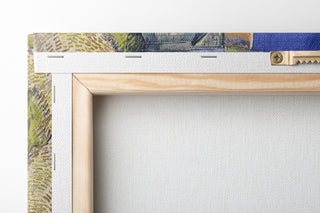
View from behind
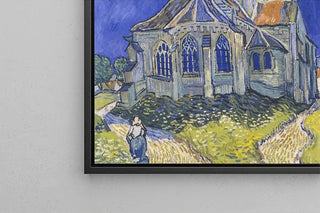
Frame (optional)
Dive into the world of 17th-century Dutch art, "Un cheval qui boit" by Jan Both is a piece that evokes not only the beauty of nature but also the relationship between humans and animals. This painting, capturing a peaceful moment in life, invites us to contemplate a simple yet meaningful scene. The artist, through his mastery of landscape and light, succeeds in creating a serene atmosphere where the viewer can almost hear the whisper of water and the breath of the horse. This work is a true tribute to the beauty of everyday life, reminding us of the importance of fleeting moments that enrich our existence.
Style and uniqueness of the work
Jan Both's style is distinguished by his realistic and poetic approach to landscape. In "Un cheval qui boit," he uses warm tones and delicate nuances to represent nature with striking fidelity. The meticulous details of the horse, water, and surrounding elements testify to his exceptional talent for capturing light and texture. The interplay of shadow and light, as well as the dynamic between the horse and its environment, creates a visual harmony that transports the viewer to a world that is both familiar and enchanting. This piece also stands out for its balanced composition, where each element finds its place, contributing to the whole without ever overwhelming it. Thus, Jan Both manages to transform an ordinary scene into a true work of art, where beauty resides in simplicity.
The artist and his influence
Jan Both, an emblematic figure of Dutch landscape painting, knew how to mark his era with his unique style and artistic sensitivity. Born in 1618, he was influenced by the masters of landscape painting but developed a personal approach that is entirely his own. His work is characterized by a particular attention to natural details and a capacity to convey emotions through his compositions. Both also played a key role in the evolution of landscape as an artistic genre, inspiring many contemporary and future artists. His vision of the world, where nature and humans coexist in harmony, continues to influence today's artists, who seek to capture this same essence in their creations. "Un horse
Painting A drinking horse - Jan Both | Art print

-10% FROM €95 IN PURCHASES
-15% FROM €195 IN PURCHASES
Regular price
- Unit price
- per
Tax included.
Free shipping
€4.90 / Free shipping on orders over €39
Satisfied or Money Back
Free returns within 30 days
10-year warranty
Our prints are guaranteed for 10 years
Any questions? We are here!
by email to contact@artemlegrand.com
THE STEPS OF YOUR ORDER

STEP 1 - ORDER PLACED
Your order has been confirmed and we are starting production
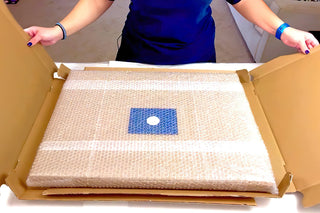
STEP 2 - SHIPPING
We ship your order. We send you an email to track the progress

STEP 3 - DELIVERY
You receive your order. You can also, according to your choice, be delivered to a relay point.
Matte finish
View from behind
Frame (optional)
Dive into the world of 17th-century Dutch art, "Un cheval qui boit" by Jan Both is a piece that evokes not only the beauty of nature but also the relationship between humans and animals. This painting, capturing a peaceful moment in life, invites us to contemplate a simple yet meaningful scene. The artist, through his mastery of landscape and light, succeeds in creating a serene atmosphere where the viewer can almost hear the whisper of water and the breath of the horse. This work is a true tribute to the beauty of everyday life, reminding us of the importance of fleeting moments that enrich our existence.
Style and uniqueness of the work
Jan Both's style is distinguished by his realistic and poetic approach to landscape. In "Un cheval qui boit," he uses warm tones and delicate nuances to represent nature with striking fidelity. The meticulous details of the horse, water, and surrounding elements testify to his exceptional talent for capturing light and texture. The interplay of shadow and light, as well as the dynamic between the horse and its environment, creates a visual harmony that transports the viewer to a world that is both familiar and enchanting. This piece also stands out for its balanced composition, where each element finds its place, contributing to the whole without ever overwhelming it. Thus, Jan Both manages to transform an ordinary scene into a true work of art, where beauty resides in simplicity.
The artist and his influence
Jan Both, an emblematic figure of Dutch landscape painting, knew how to mark his era with his unique style and artistic sensitivity. Born in 1618, he was influenced by the masters of landscape painting but developed a personal approach that is entirely his own. His work is characterized by a particular attention to natural details and a capacity to convey emotions through his compositions. Both also played a key role in the evolution of landscape as an artistic genre, inspiring many contemporary and future artists. His vision of the world, where nature and humans coexist in harmony, continues to influence today's artists, who seek to capture this same essence in their creations. "Un horse
12,34 €