
Painting A Boy Arapahoe - George de Forest Brush | Art print


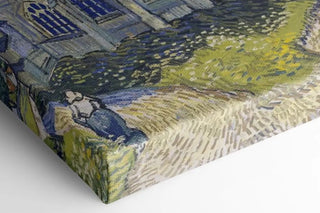
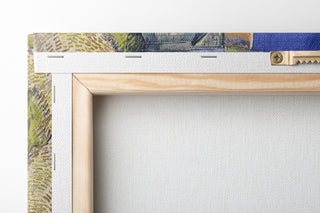
View from behind
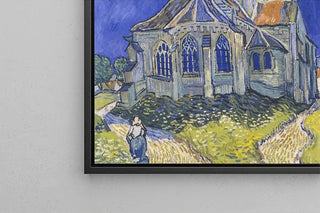
Frame (optional)
George de Forest Brush’s "An Arapahoe Boy" is a true homage to Native American culture, capturing the essence of a young Arapahoe in all its splendor. This painting, created at the end of the 19th century, evokes not only the beauty of the subject but also the depth of the traditions he represents. Through this artwork, Brush invites us to immerse ourselves in a world where nature and humanity coexist in harmony. The boy’s gaze, filled with wisdom and curiosity, seems to tell a story— that of a people seeking recognition and respect. The art print of this piece allows you to relive this emotion and connect with an era when tribal values were at the heart of Native American identity.
Style and uniqueness of the artwork
George de Forest Brush’s style is distinguished by his ability to blend realism and romanticism. In "An Arapahoe Boy," the artist uses rich colors and meticulous details to bring his subject to life. The soft light caressing the young boy’s face highlights his delicate features, while subtle shadows add depth to the composition. Brush masters the art of texture, whether in the traditional clothing of the boy or in the surrounding landscape, creating an immersive atmosphere. Every brushstroke seems charged with emotion, reflecting the artist’s attachment to his subject. This painting is not just a simple representation; it becomes an open window into the soul of a culture, offering the viewer a unique visual and spiritual experience.
The artist and his influence
George de Forest Brush, born in 1855, was an American artist whose work was deeply influenced by his travels in the American West. His fascination with indigenous peoples and their way of life led him to portray them with rare sensitivity. Brush established himself as a pioneer of Native American painting, a field still relatively unexplored at the time. His humanist and respectful approach gave voice to those who were often marginalized in Western art. In addition to "An Arapahoe Boy," he created numerous works that testify to his passion for nature and
Painting A Boy Arapahoe - George de Forest Brush | Art print

-10% FROM €95 IN PURCHASES
-15% FROM €195 IN PURCHASES
Regular price
- Unit price
- per
Tax included.
Free shipping
€4.90 / Free shipping on orders over €39
Satisfied or Money Back
Free returns within 30 days
10-year warranty
Our prints are guaranteed for 10 years
Any questions? We are here!
by email to contact@artemlegrand.com
THE STEPS OF YOUR ORDER

STEP 1 - ORDER PLACED
Your order has been confirmed and we are starting production
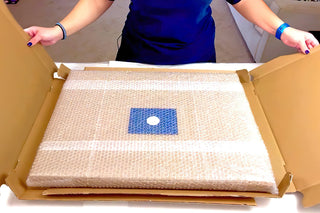
STEP 2 - SHIPPING
We ship your order. We send you an email to track the progress

STEP 3 - DELIVERY
You receive your order. You can also, according to your choice, be delivered to a relay point.
Matte finish
View from behind
Frame (optional)
George de Forest Brush’s "An Arapahoe Boy" is a true homage to Native American culture, capturing the essence of a young Arapahoe in all its splendor. This painting, created at the end of the 19th century, evokes not only the beauty of the subject but also the depth of the traditions he represents. Through this artwork, Brush invites us to immerse ourselves in a world where nature and humanity coexist in harmony. The boy’s gaze, filled with wisdom and curiosity, seems to tell a story— that of a people seeking recognition and respect. The art print of this piece allows you to relive this emotion and connect with an era when tribal values were at the heart of Native American identity.
Style and uniqueness of the artwork
George de Forest Brush’s style is distinguished by his ability to blend realism and romanticism. In "An Arapahoe Boy," the artist uses rich colors and meticulous details to bring his subject to life. The soft light caressing the young boy’s face highlights his delicate features, while subtle shadows add depth to the composition. Brush masters the art of texture, whether in the traditional clothing of the boy or in the surrounding landscape, creating an immersive atmosphere. Every brushstroke seems charged with emotion, reflecting the artist’s attachment to his subject. This painting is not just a simple representation; it becomes an open window into the soul of a culture, offering the viewer a unique visual and spiritual experience.
The artist and his influence
George de Forest Brush, born in 1855, was an American artist whose work was deeply influenced by his travels in the American West. His fascination with indigenous peoples and their way of life led him to portray them with rare sensitivity. Brush established himself as a pioneer of Native American painting, a field still relatively unexplored at the time. His humanist and respectful approach gave voice to those who were often marginalized in Western art. In addition to "An Arapahoe Boy," he created numerous works that testify to his passion for nature and
12,34 €