
Painting Livre sur les plantes toxiques Pl71 - Friedrich Berge | Art print


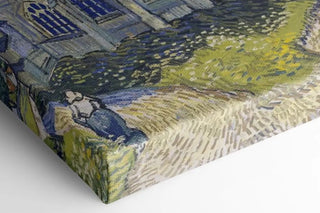
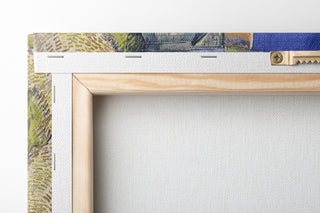
View from behind
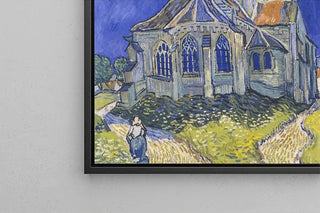
Frame (optional)
In the vast panorama of art history, certain works stand out for their ability to capture the collective imagination. "Art print on toxic plants Pl71" by Friedrich Berge is one of those creations that, beyond its simple appearance, invites deep reflection on nature and its mysteries. This piece, both scientific and artistic, immerses us in a universe where the beauty of plants blends with their dangerous potential. By contemplating this work, the viewer is immediately transported to a secret garden, where each plant tells a story, and every detail invites exploration of the subtleties of flora.
Style and uniqueness of the work
Friedrich Berge's style is characterized by remarkable meticulousness and an attention to detail bordering on obsession. In "Art print on toxic plants Pl71," each illustration is carefully executed, revealing not only the shape of each plant but also its texture and color. What makes this work unique is the way the artist manages to balance aesthetics with an almost scientific approach. The plants, although represented with great precision, seem to vibrate with a life of their own, as if they are ready to escape the page. Berge's color palette, ranging from deep greens to mysterious violets, creates an atmosphere that is both enchanting and slightly unsettling, reminding us that beauty can sometimes hide unforeseen dangers.
The artist and his influence
Friedrich Berge, an emblematic figure of 19th-century botanical art, knew how to mark his era with his unique contributions to plant representation. His training, at the crossroads of art and science, allowed him to develop a style that transcends traditional boundaries. Berge was influenced by scientific discoveries of his time, particularly in the field of botany, and his work reflects this passion for nature. By focusing on the toxic properties of plants, he opened a dialogue on the duality of nature, both nurturing and potentially deadly. His work has inspired many artists and scientists, thus consolidating his legacy in art history. The representations of toxic plants are not merely illustrations
Painting Livre sur les plantes toxiques Pl71 - Friedrich Berge | Art print

-10% FROM €95 IN PURCHASES
-15% FROM €195 IN PURCHASES
Regular price
- Unit price
- by
Free shipping
€4.90 / Free shipping on orders over €39
Satisfied or Money Back
Free returns within 30 days
10-year warranty
Our prints are guaranteed for 10 years
Any questions? We are here!
by email to contact@artemlegrand.com
THE STEPS OF YOUR ORDER

STEP 1 - ORDER PLACED
Your order has been confirmed and we are starting production
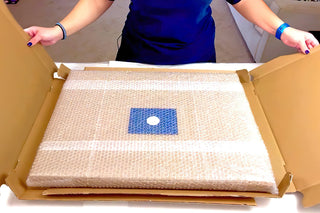
STEP 2 - SHIPPING
We ship your order. We send you an email to track the progress

STEP 3 - DELIVERY
You receive your order. You can also, according to your choice, be delivered to a relay point.
Matte finish
View from behind
Frame (optional)
In the vast panorama of art history, certain works stand out for their ability to capture the collective imagination. "Art print on toxic plants Pl71" by Friedrich Berge is one of those creations that, beyond its simple appearance, invites deep reflection on nature and its mysteries. This piece, both scientific and artistic, immerses us in a universe where the beauty of plants blends with their dangerous potential. By contemplating this work, the viewer is immediately transported to a secret garden, where each plant tells a story, and every detail invites exploration of the subtleties of flora.
Style and uniqueness of the work
Friedrich Berge's style is characterized by remarkable meticulousness and an attention to detail bordering on obsession. In "Art print on toxic plants Pl71," each illustration is carefully executed, revealing not only the shape of each plant but also its texture and color. What makes this work unique is the way the artist manages to balance aesthetics with an almost scientific approach. The plants, although represented with great precision, seem to vibrate with a life of their own, as if they are ready to escape the page. Berge's color palette, ranging from deep greens to mysterious violets, creates an atmosphere that is both enchanting and slightly unsettling, reminding us that beauty can sometimes hide unforeseen dangers.
The artist and his influence
Friedrich Berge, an emblematic figure of 19th-century botanical art, knew how to mark his era with his unique contributions to plant representation. His training, at the crossroads of art and science, allowed him to develop a style that transcends traditional boundaries. Berge was influenced by scientific discoveries of his time, particularly in the field of botany, and his work reflects this passion for nature. By focusing on the toxic properties of plants, he opened a dialogue on the duality of nature, both nurturing and potentially deadly. His work has inspired many artists and scientists, thus consolidating his legacy in art history. The representations of toxic plants are not merely illustrations