
Painting Livre des plantes toxiques Pl64 - Friedrich Berge | Art print


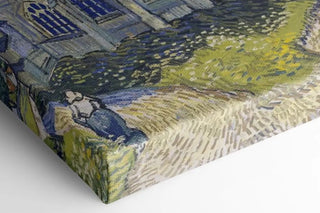
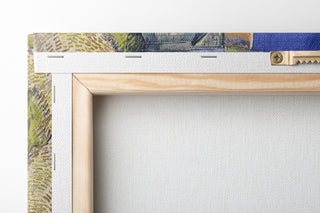
View from behind
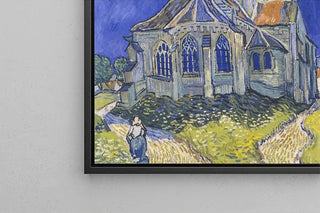
Frame (optional)
In the vast universe of botanical art, the "Book of Toxic Plants Pl64" by Friedrich Berge stands out for its elegance and depth. This piece, a true ode to nature, invites viewers to explore the mysteries of the plant world while highlighting the dangers that inhabit it. By blending aesthetic beauty with a theme that is both intriguing and educational, Berge succeeds in capturing attention and inspiring reflection on our relationship with plants. The art print of this work is much more than a simple image; it is a gateway to a richer understanding of ecosystems and their complexities.
Style and uniqueness of the work
Friedrich Berge's style is characterized by remarkable precision and attention to detail that give his illustrations a look that is both scientific and artistic. In "Book of Toxic Plants Pl64," each plant is depicted with meticulous care that allows appreciation of its unique features. Vibrant colors and delicate textures create a dialogue between realism and imagination, each element carefully arranged to capture the very essence of toxic flora. This choice of subject, far from being trivial, highlights a fascinating duality: the beauty of plants and the danger they can pose. In this, Berge encourages us to view nature anew, often perceived as mere decoration, but which in reality holds a multitude of stories and meanings.
The artist and his influence
Friedrich Berge, artist and botanist, has skillfully combined his two passions to create works that transcend traditional boundaries of art. His scientific training allows him to bring unparalleled rigor to his creations, while preserving the emotion and aesthetics that make his work compelling. Berge belongs to a lineage of naturalist artists who sought to document biodiversity through art, but he stands out with an approach that emphasizes the duality between fascination and fear that certain species evoke. His influence is felt not only in the field of botanical art but also in raising awareness about plant conservation and the need to understand complex interactions within ecosystems. Through his
Painting Livre des plantes toxiques Pl64 - Friedrich Berge | Art print

-10% FROM €95 IN PURCHASES
-15% FROM €195 IN PURCHASES
Regular price
- Unit price
- by
Free shipping
€4.90 / Free shipping on orders over €39
Satisfied or Money Back
Free returns within 30 days
10-year warranty
Our prints are guaranteed for 10 years
Any questions? We are here!
by email to contact@artemlegrand.com
THE STEPS OF YOUR ORDER

STEP 1 - ORDER PLACED
Your order has been confirmed and we are starting production

STEP 2 - SHIPPING
We ship your order. We send you an email to track the progress

STEP 3 - DELIVERY
You receive your order. You can also, according to your choice, be delivered to a relay point.
Matte finish
View from behind
Frame (optional)
In the vast universe of botanical art, the "Book of Toxic Plants Pl64" by Friedrich Berge stands out for its elegance and depth. This piece, a true ode to nature, invites viewers to explore the mysteries of the plant world while highlighting the dangers that inhabit it. By blending aesthetic beauty with a theme that is both intriguing and educational, Berge succeeds in capturing attention and inspiring reflection on our relationship with plants. The art print of this work is much more than a simple image; it is a gateway to a richer understanding of ecosystems and their complexities.
Style and uniqueness of the work
Friedrich Berge's style is characterized by remarkable precision and attention to detail that give his illustrations a look that is both scientific and artistic. In "Book of Toxic Plants Pl64," each plant is depicted with meticulous care that allows appreciation of its unique features. Vibrant colors and delicate textures create a dialogue between realism and imagination, each element carefully arranged to capture the very essence of toxic flora. This choice of subject, far from being trivial, highlights a fascinating duality: the beauty of plants and the danger they can pose. In this, Berge encourages us to view nature anew, often perceived as mere decoration, but which in reality holds a multitude of stories and meanings.
The artist and his influence
Friedrich Berge, artist and botanist, has skillfully combined his two passions to create works that transcend traditional boundaries of art. His scientific training allows him to bring unparalleled rigor to his creations, while preserving the emotion and aesthetics that make his work compelling. Berge belongs to a lineage of naturalist artists who sought to document biodiversity through art, but he stands out with an approach that emphasizes the duality between fascination and fear that certain species evoke. His influence is felt not only in the field of botanical art but also in raising awareness about plant conservation and the need to understand complex interactions within ecosystems. Through his