
Painting Portrait of Caroline Krafft née Platner 1811–1873 - Friedrich Drück


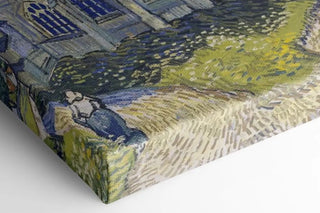
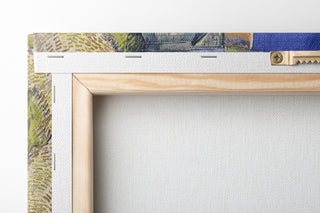
View from behind
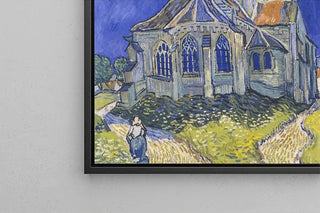
Frame (optional)
In the vast panorama of art history, some works manage to capture the essence of an era while revealing the depth of the human soul. The art print Portrait of Caroline Krafft née Platner 1811–1873 - Friedrich Drück is a perfect example. This portrait, created by Friedrich Drück, offers a fascinating glimpse into the life of a 19th-century woman, while bearing witness to the undeniable talent of its creator. The piece is set in a context where portraits were not only physical representations but also reflections on personality and social status. Through this painting, the viewer is invited to delve into the intimate universe of Caroline Krafft, an iconic figure of her time.
Style and uniqueness of the work
Friedrich Drück's style is distinguished by a realistic approach and meticulous attention to detail. In this portrait, the delicacy of Caroline Krafft's features is highlighted by a palette of subtle colors, evoking both the softness and strength of her character. The carefully orchestrated play of light and shadow adds an almost three-dimensional dimension to the work, allowing the viewer to feel the living presence of the model. Caroline's pose, both natural and composed, demonstrates a subtle balance between intimacy and dignity. Every element of the painting, from clothing to accessories, is carefully chosen to tell a story— that of a woman who, although frozen in time, continues to inspire through her grace and elegance.
The artist and his influence
Friedrich Drück, a German artist of the 19th century, made his mark in the art world thanks to his exceptional talent and unique vision. Influenced by the great masters of painting, he developed a personal style that combines realism and romanticism. His work is characterized by a capacity to capture not only the physical traits of his subjects but also their emotional essence. Drück navigated between the expectations of his era and his own inspirations, creating works that still resonate today. By painting Caroline Krafft, he does not merely depict a historical figure; he immortalizes a
Painting Portrait of Caroline Krafft née Platner 1811–1873 - Friedrich Drück

-10% FROM €95 IN PURCHASES
-15% FROM €195 IN PURCHASES
Regular price
- Unit price
- by
Free shipping
€4.90 / Free shipping on orders over €39
Satisfied or Money Back
Free returns within 30 days
10-year warranty
Our prints are guaranteed for 10 years
Any questions? We are here!
by email to contact@artemlegrand.com
THE STEPS OF YOUR ORDER

STEP 1 - ORDER PLACED
Your order has been confirmed and we are starting production
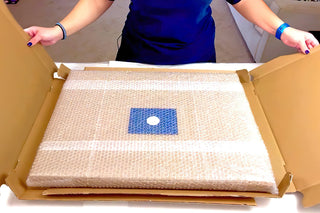
STEP 2 - SHIPPING
We ship your order. We send you an email to track the progress

STEP 3 - DELIVERY
You receive your order. You can also, according to your choice, be delivered to a relay point.
Matte finish
View from behind
Frame (optional)
In the vast panorama of art history, some works manage to capture the essence of an era while revealing the depth of the human soul. The art print Portrait of Caroline Krafft née Platner 1811–1873 - Friedrich Drück is a perfect example. This portrait, created by Friedrich Drück, offers a fascinating glimpse into the life of a 19th-century woman, while bearing witness to the undeniable talent of its creator. The piece is set in a context where portraits were not only physical representations but also reflections on personality and social status. Through this painting, the viewer is invited to delve into the intimate universe of Caroline Krafft, an iconic figure of her time.
Style and uniqueness of the work
Friedrich Drück's style is distinguished by a realistic approach and meticulous attention to detail. In this portrait, the delicacy of Caroline Krafft's features is highlighted by a palette of subtle colors, evoking both the softness and strength of her character. The carefully orchestrated play of light and shadow adds an almost three-dimensional dimension to the work, allowing the viewer to feel the living presence of the model. Caroline's pose, both natural and composed, demonstrates a subtle balance between intimacy and dignity. Every element of the painting, from clothing to accessories, is carefully chosen to tell a story— that of a woman who, although frozen in time, continues to inspire through her grace and elegance.
The artist and his influence
Friedrich Drück, a German artist of the 19th century, made his mark in the art world thanks to his exceptional talent and unique vision. Influenced by the great masters of painting, he developed a personal style that combines realism and romanticism. His work is characterized by a capacity to capture not only the physical traits of his subjects but also their emotional essence. Drück navigated between the expectations of his era and his own inspirations, creating works that still resonate today. By painting Caroline Krafft, he does not merely depict a historical figure; he immortalizes a