
Painting Portrait of a Boy - Friedrich Deutsch | Art print Source: Tableau Portrait d'un garçon - Friedrich Deutsch | Reproduction


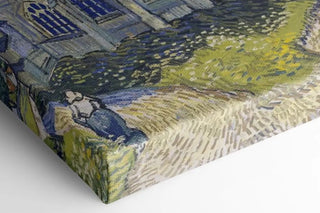
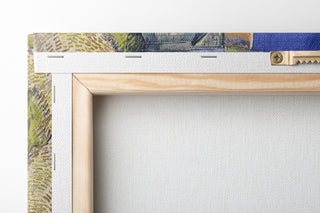
View from behind
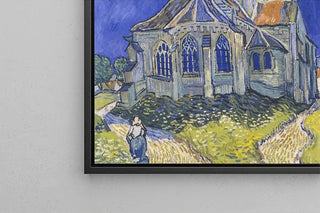
Frame (optional)
The "Portrait of a Boy" by Friedrich Deutsch is a piece that immediately captures attention with its charm and depth. This painting, which evokes tenderness and innocence of childhood, is a true window into the soul of the young boy it depicts. Through this portrait, the artist manages to convey a palpable emotion, an essence of youth that resonates with anyone who takes the time to contemplate this work. The soft light bathing the child's face, along with the meticulous details of his features, invites the viewer to immerse themselves in a world where each gaze tells a story.
Style and uniqueness of the work
The uniqueness of this portrait lies in Friedrich Deutsch's technical mastery. The artist uses delicate shades of color to create a warm and soothing atmosphere. Shadows and lights blend harmoniously, giving the boy's face an almost lifelike dimension. The expressive gaze of the child, captured with remarkable precision, seems to follow the viewer, establishing an intimate connection between the work and its observer. This painting is not just a simple representation; it is an exploration of childhood psychology, a reflection of the purity and curiosity that characterize this period of life. The composition, well balanced, highlights the subject while subtly incorporating background elements that enrich the visual narration.
The artist and his influence
Friedrich Deutsch, a master of early 20th-century painting, established himself as an essential figure of his time. Influenced by the artistic currents surrounding him, he developed a personal style that combines realism and sensitivity. His ability to capture fleeting moments of daily life, especially those related to childhood, earned him growing recognition. Deutsch was also a witness to the social and cultural upheavals of his era, which profoundly marked his work. His portraits, including that of the boy, are not only visual representations but also reflections on humanity. They testify to a time when art was a means of expression and questioning in the face of societal challenges.
A wall decoration
Painting Portrait of a Boy - Friedrich Deutsch | Art print Source: Tableau Portrait d'un garçon - Friedrich Deutsch | Reproduction

-10% FROM €95 IN PURCHASES
-15% FROM €195 IN PURCHASES
Regular price
- Unit price
- by
Free shipping
€4.90 / Free shipping on orders over €39
Satisfied or Money Back
Free returns within 30 days
10-year warranty
Our prints are guaranteed for 10 years
Any questions? We are here!
by email to contact@artemlegrand.com
THE STEPS OF YOUR ORDER

STEP 1 - ORDER PLACED
Your order has been confirmed and we are starting production
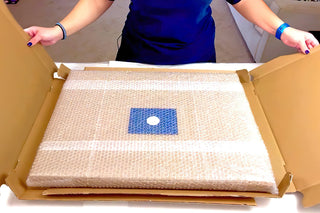
STEP 2 - SHIPPING
We ship your order. We send you an email to track the progress

STEP 3 - DELIVERY
You receive your order. You can also, according to your choice, be delivered to a relay point.
Matte finish
View from behind
Frame (optional)
The "Portrait of a Boy" by Friedrich Deutsch is a piece that immediately captures attention with its charm and depth. This painting, which evokes tenderness and innocence of childhood, is a true window into the soul of the young boy it depicts. Through this portrait, the artist manages to convey a palpable emotion, an essence of youth that resonates with anyone who takes the time to contemplate this work. The soft light bathing the child's face, along with the meticulous details of his features, invites the viewer to immerse themselves in a world where each gaze tells a story.
Style and uniqueness of the work
The uniqueness of this portrait lies in Friedrich Deutsch's technical mastery. The artist uses delicate shades of color to create a warm and soothing atmosphere. Shadows and lights blend harmoniously, giving the boy's face an almost lifelike dimension. The expressive gaze of the child, captured with remarkable precision, seems to follow the viewer, establishing an intimate connection between the work and its observer. This painting is not just a simple representation; it is an exploration of childhood psychology, a reflection of the purity and curiosity that characterize this period of life. The composition, well balanced, highlights the subject while subtly incorporating background elements that enrich the visual narration.
The artist and his influence
Friedrich Deutsch, a master of early 20th-century painting, established himself as an essential figure of his time. Influenced by the artistic currents surrounding him, he developed a personal style that combines realism and sensitivity. His ability to capture fleeting moments of daily life, especially those related to childhood, earned him growing recognition. Deutsch was also a witness to the social and cultural upheavals of his era, which profoundly marked his work. His portraits, including that of the boy, are not only visual representations but also reflections on humanity. They testify to a time when art was a means of expression and questioning in the face of societal challenges.
A wall decoration